The original suit symbols introduced to Europe are from the Middle Eastern Mamluk deck, created for the Mamluk Sultanate of Egypt which ended in 1517. The cards were introduced into Spain and Italy in the 14th century. These examples are from the Topkapu Sarayi Museum in Istanbul.
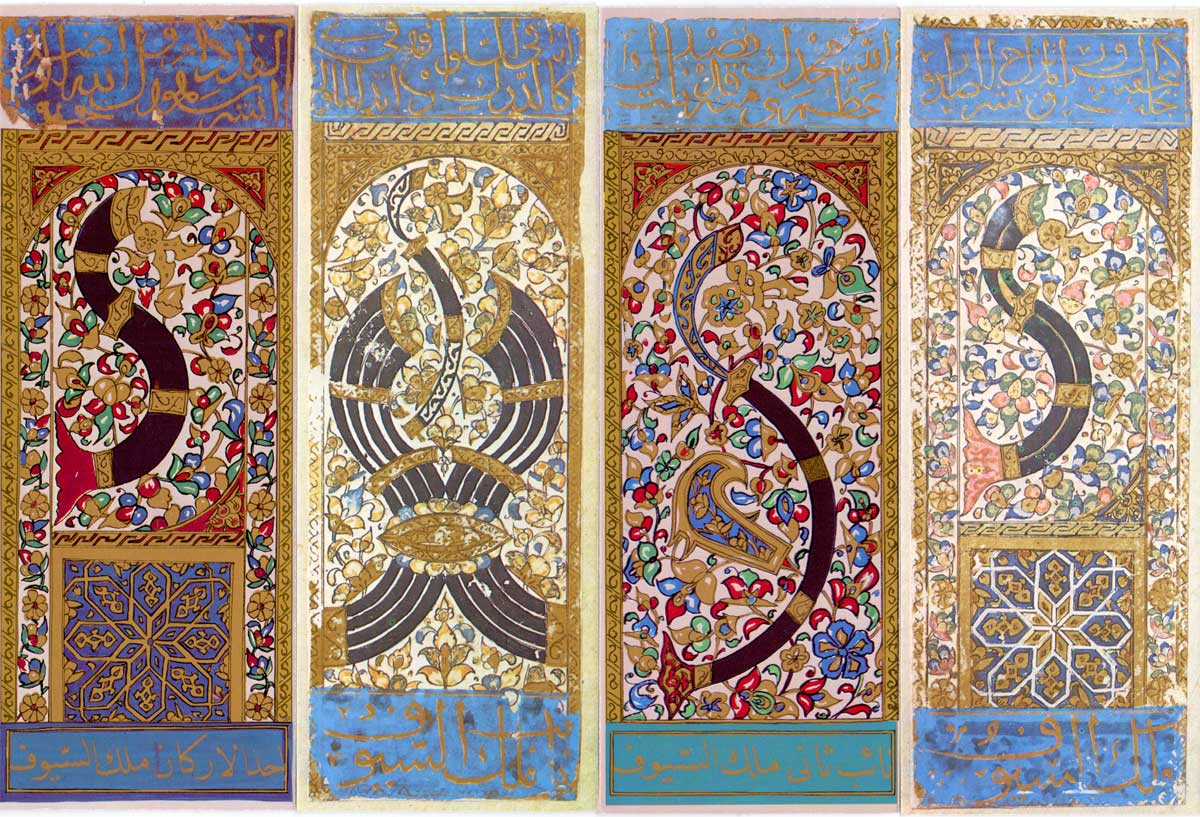
The Mamluk Suit of Scimitars
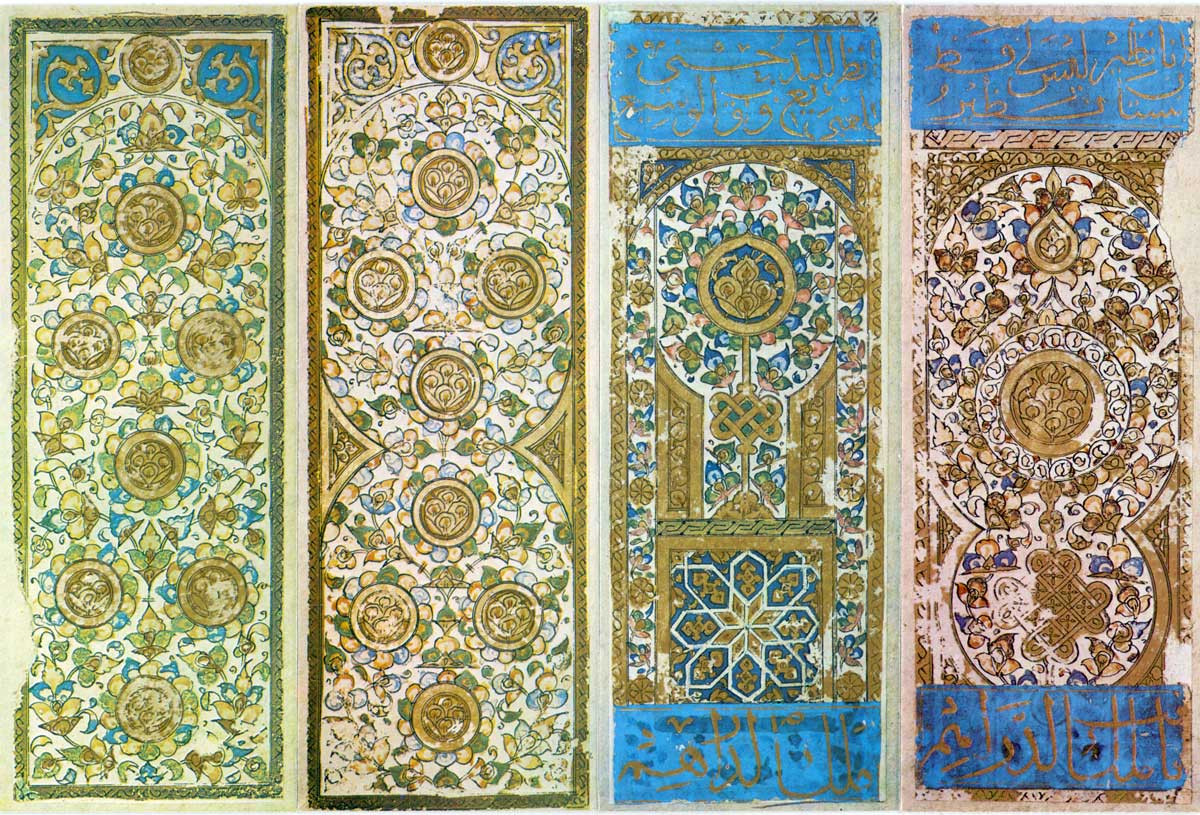
The Mamluk Suit of Coins
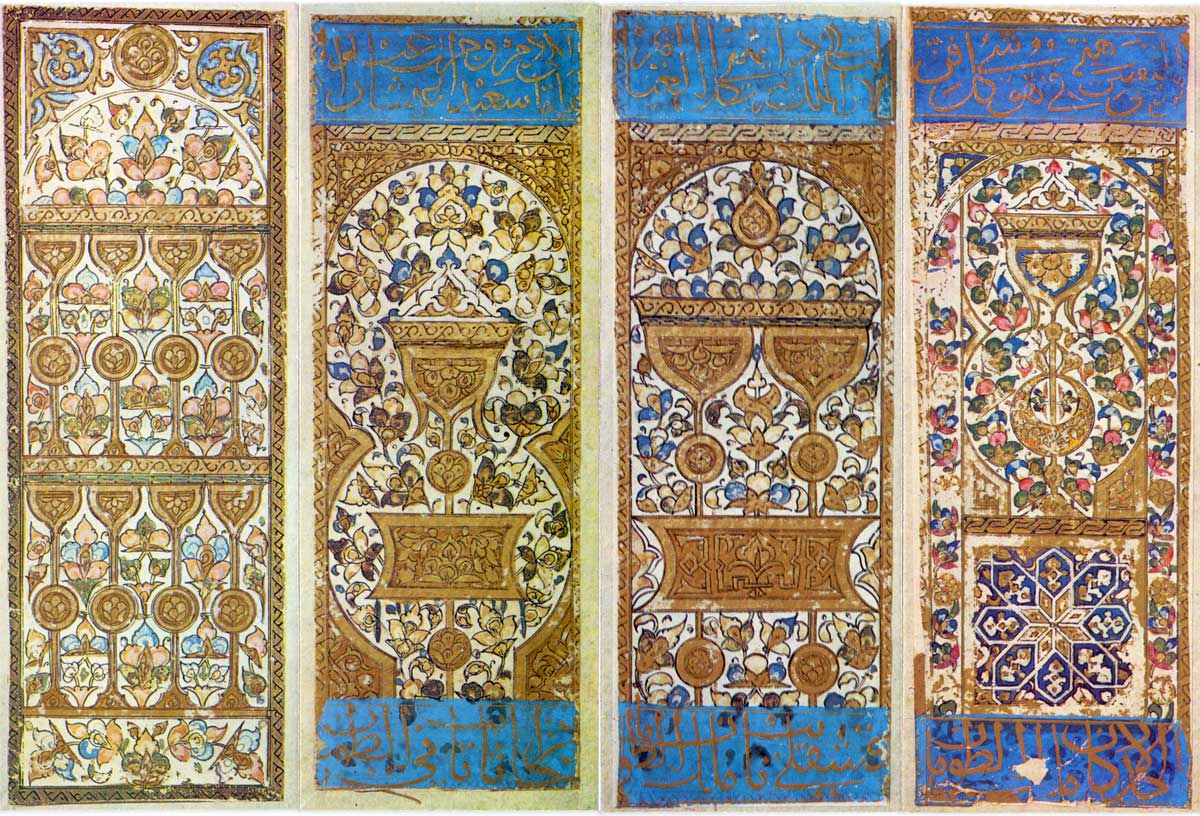
The Mamluk Suit of Cups
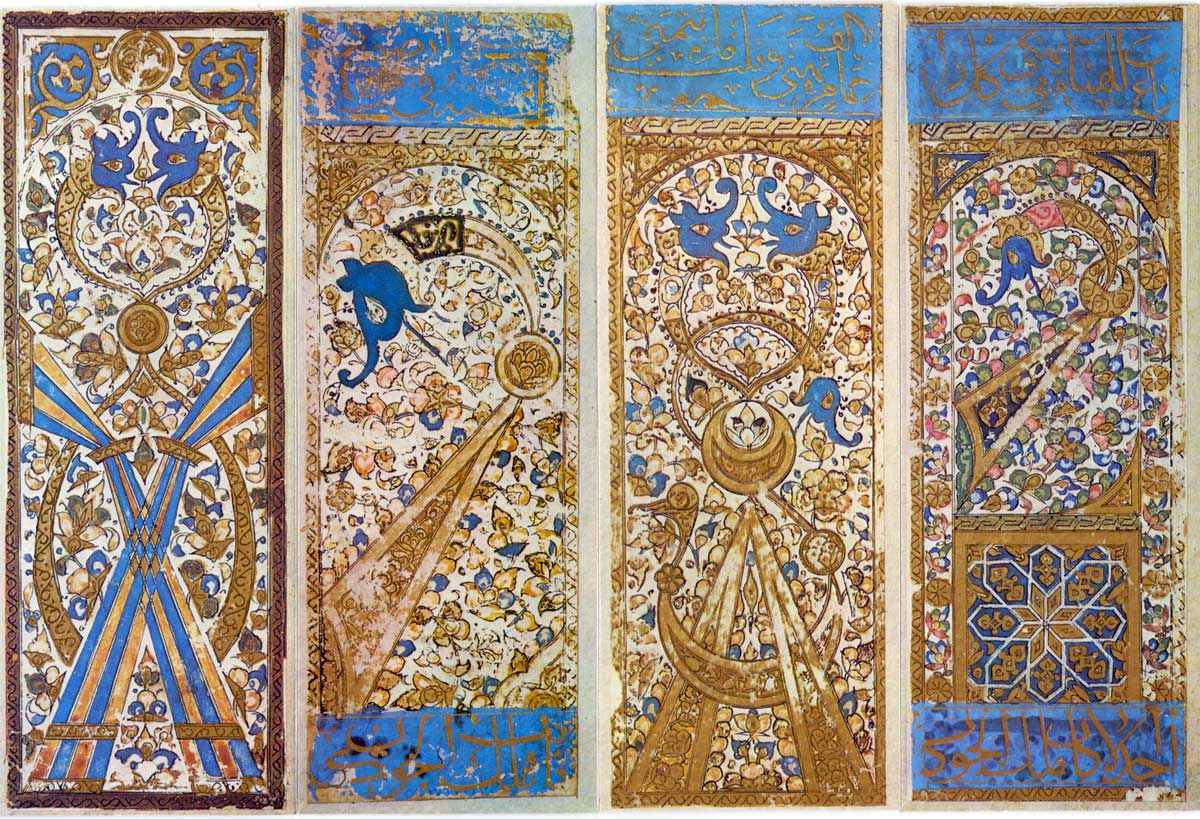
The Mamluk Suit of Hockey Sticks
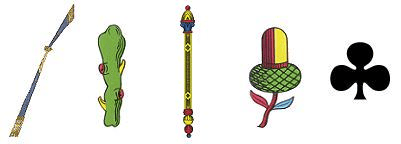
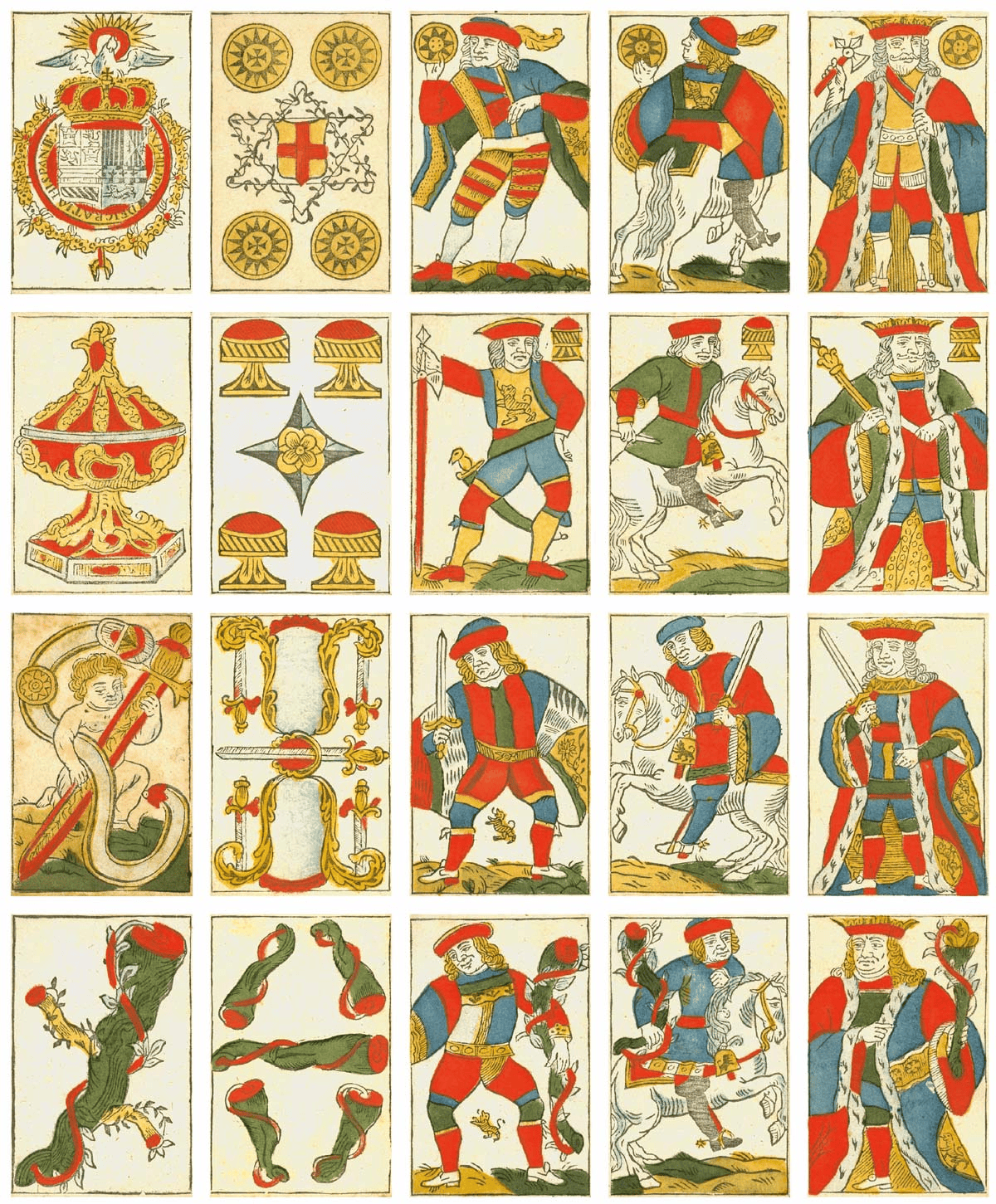
The Spanish interpreted the suits as Swords, Coins, Cups, and Clubs. They also depicted the royals as actual people.
These are the earliest known European playing cards. they are in the Fournier Museum at Vitoria-Gasteiz, Spain. They are dated c.1400-1420.int
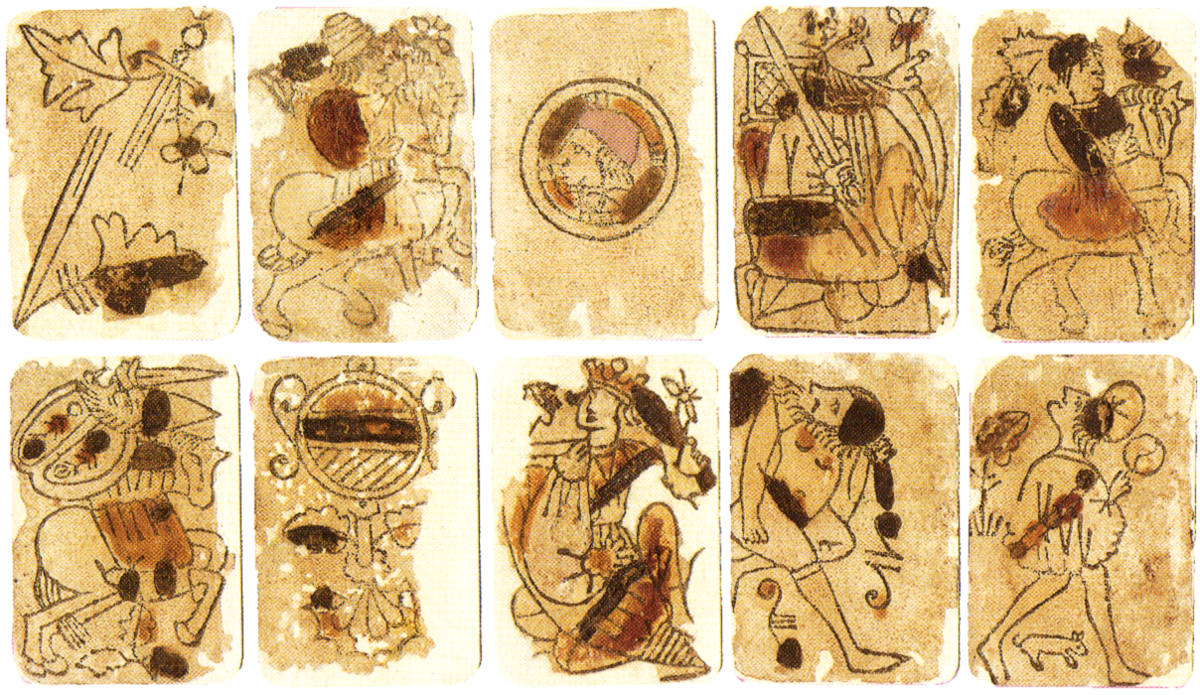
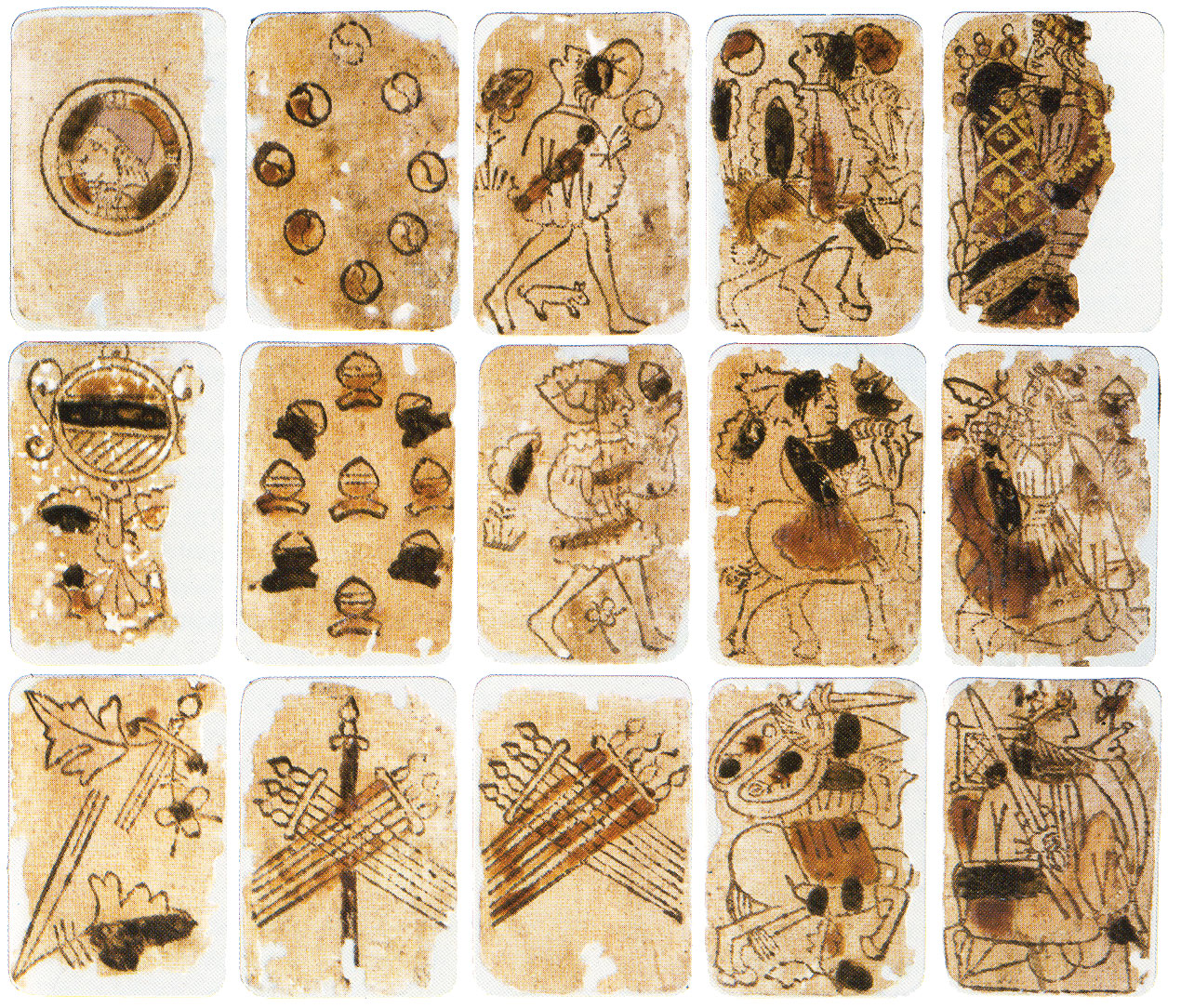
This is a Spanish deck from 1760.
| Suits Neapolitan |  |  |  |  |
| Suits Piacentine |  |  |  |  |
| Suits Romagnole |  |  |  |  |
| Suits Sicilian |  |  |  |  |
| Suits Sardinian |  |  |  |  |
| Suits Viterbese |  |  |  |  |
 | Espadas | Copas | Oros | Bastos |
|---|---|---|---|---|
 | Spade | Coppe | Denari (Ori) | Bastoni (Mazze) |
 | Swords | Cups | Coins | Clubs |


The Italians interpreted them as Swords, Cups, Coins, and Batons. Notice that the Swords look like Scimitars.
| Suits Bergamasche |  |  |  |  |
| Suits Trevigiane |  |  |  |  |
| Suits Triestine |  |  |  |  |
| Suits Trentine |  |  |  |  |
| Suits Bresciane |  |  |  |  |
| Suits Bolognesi |  |  |  |  |
| Spade | Coppe | Denari | Bastoni |
|---|---|---|---|---|
| Swords | Cups | Coins | Batons |
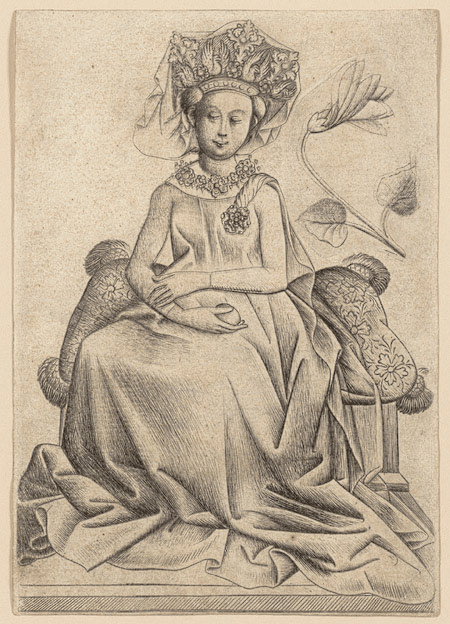
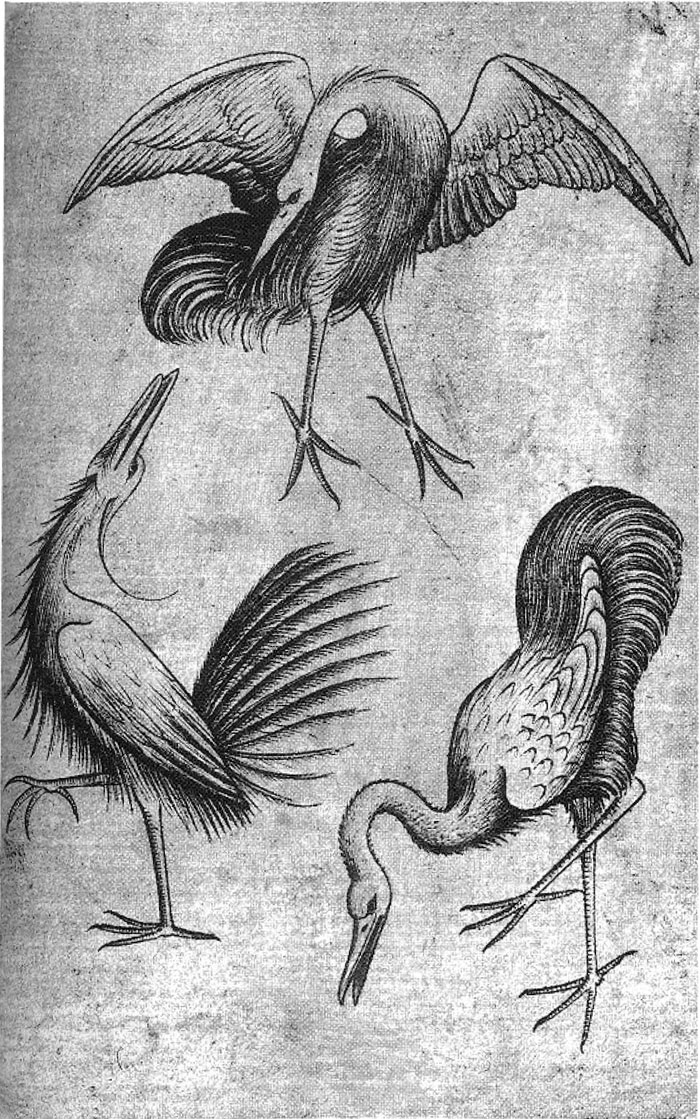
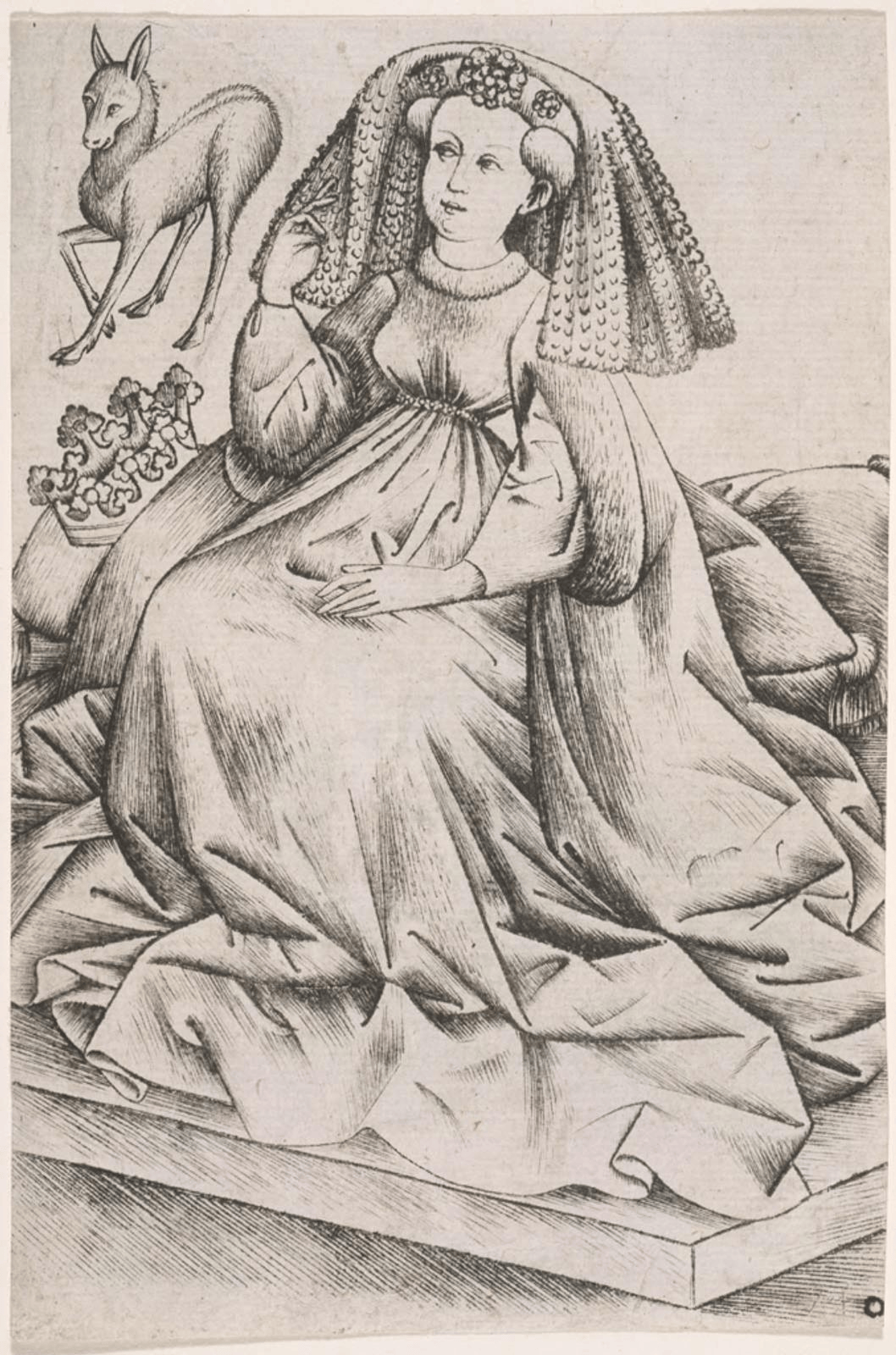
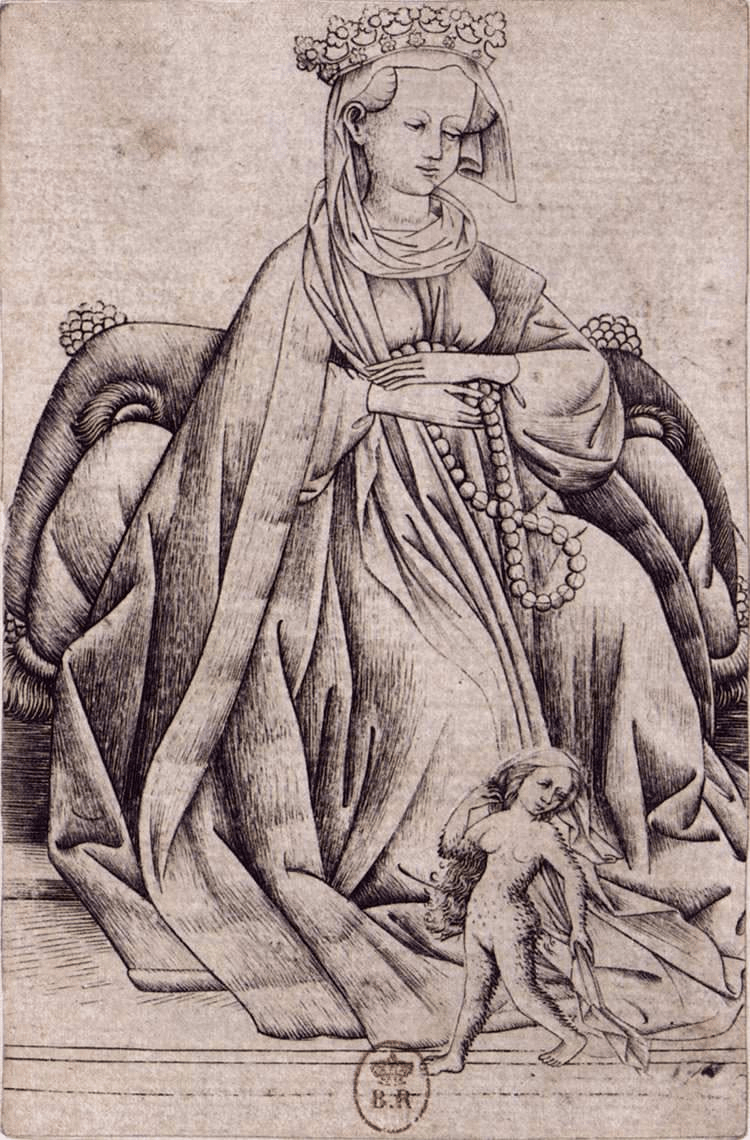
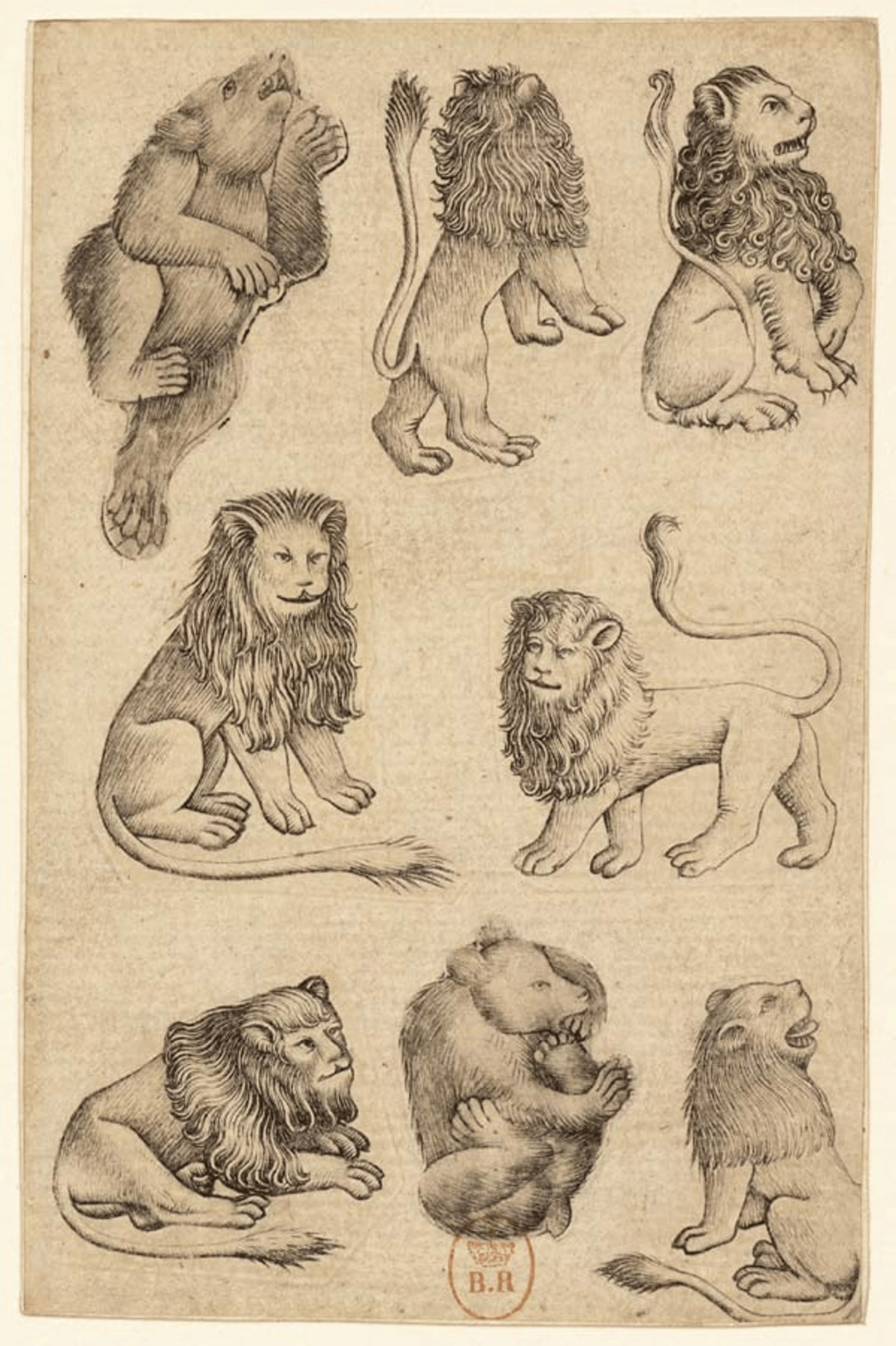
In 1435, working in Alsace, an artist known as the Master of the Playing Cards, who was the first great figure in the history of engraving, created a deck composed of five suits: Flowers, Birds, Deer, Wild Men, and Lions and Bears.
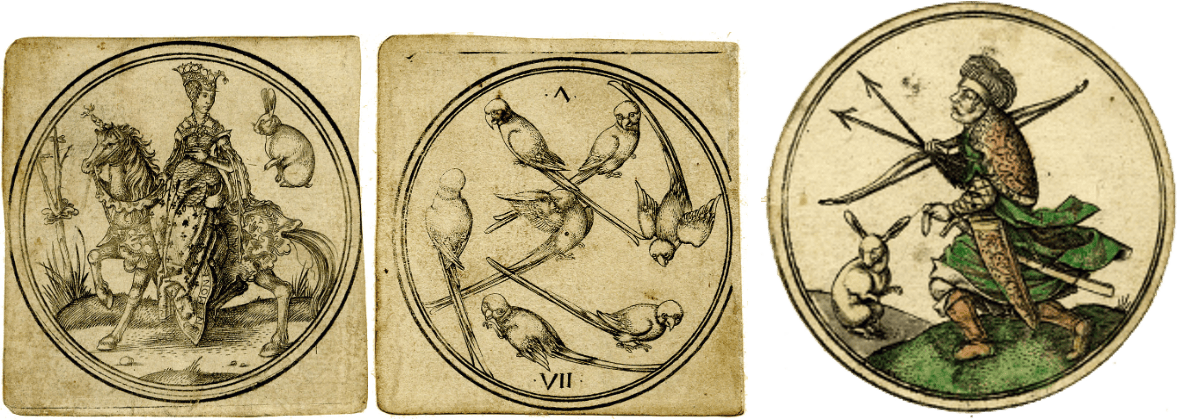
As playing cards spread through Europe the suits were reinterpreted in numerous creative ways before they became standardized. This circular German deck from created around 1500 had five suits: Hares, Parrots, Carnations (or Pinks), Columbines, and Roses.
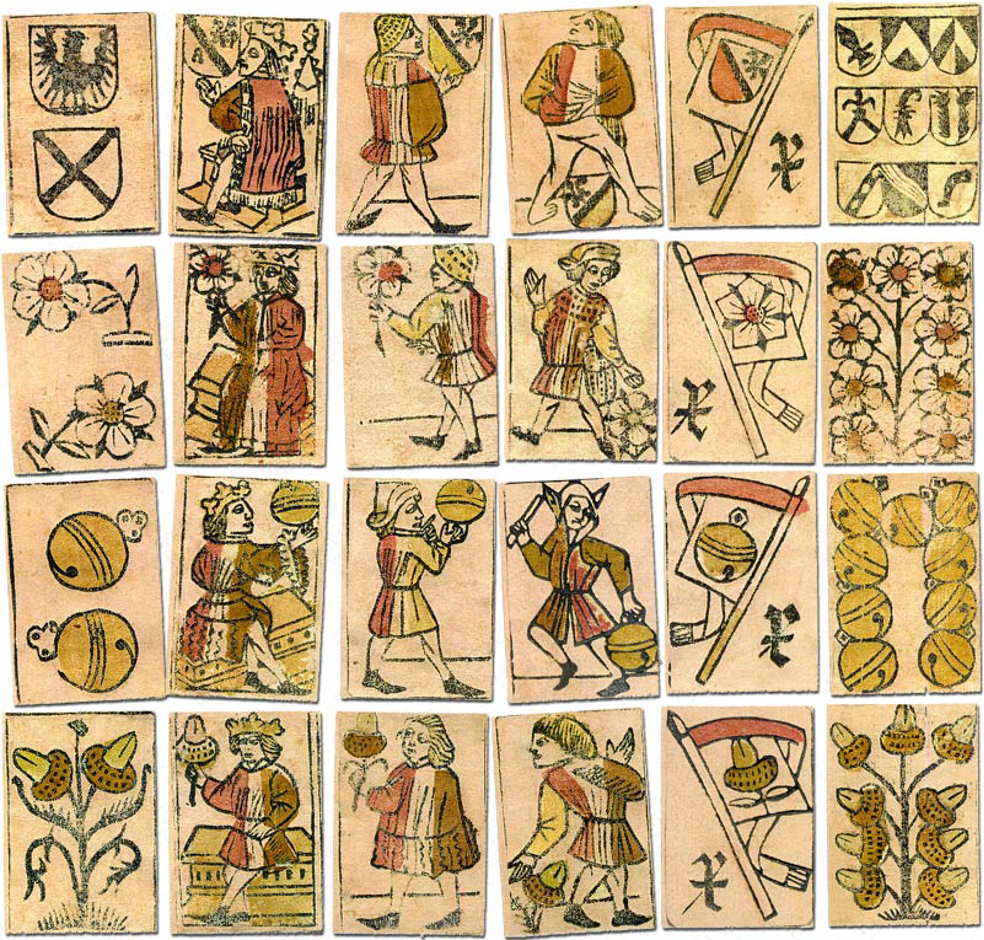
The earliest references for playing cards in Switzerland is 1377. By 1460, they standardized the suits as: Hawk Bells, Shields, Roses, and Acorns.
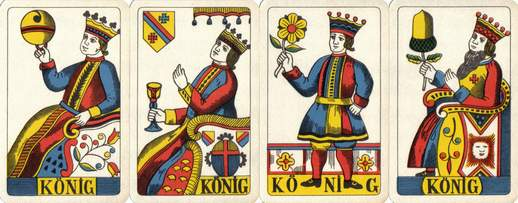
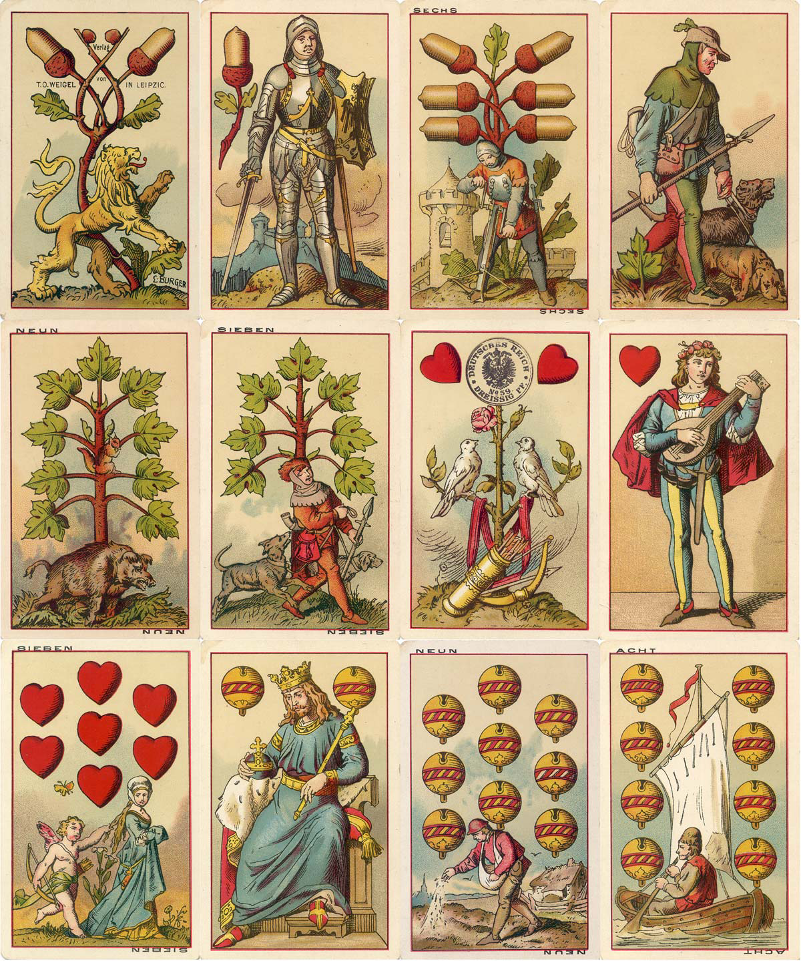
Around the same time, the suits were passed onto the Germans as: Acorns, Leaves, Hearts, and Hawk Bells.
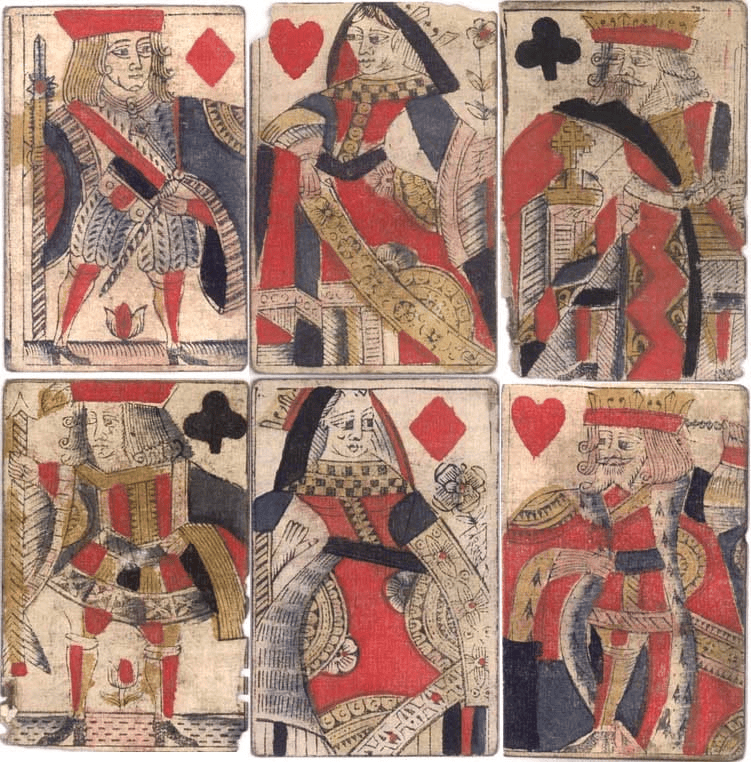
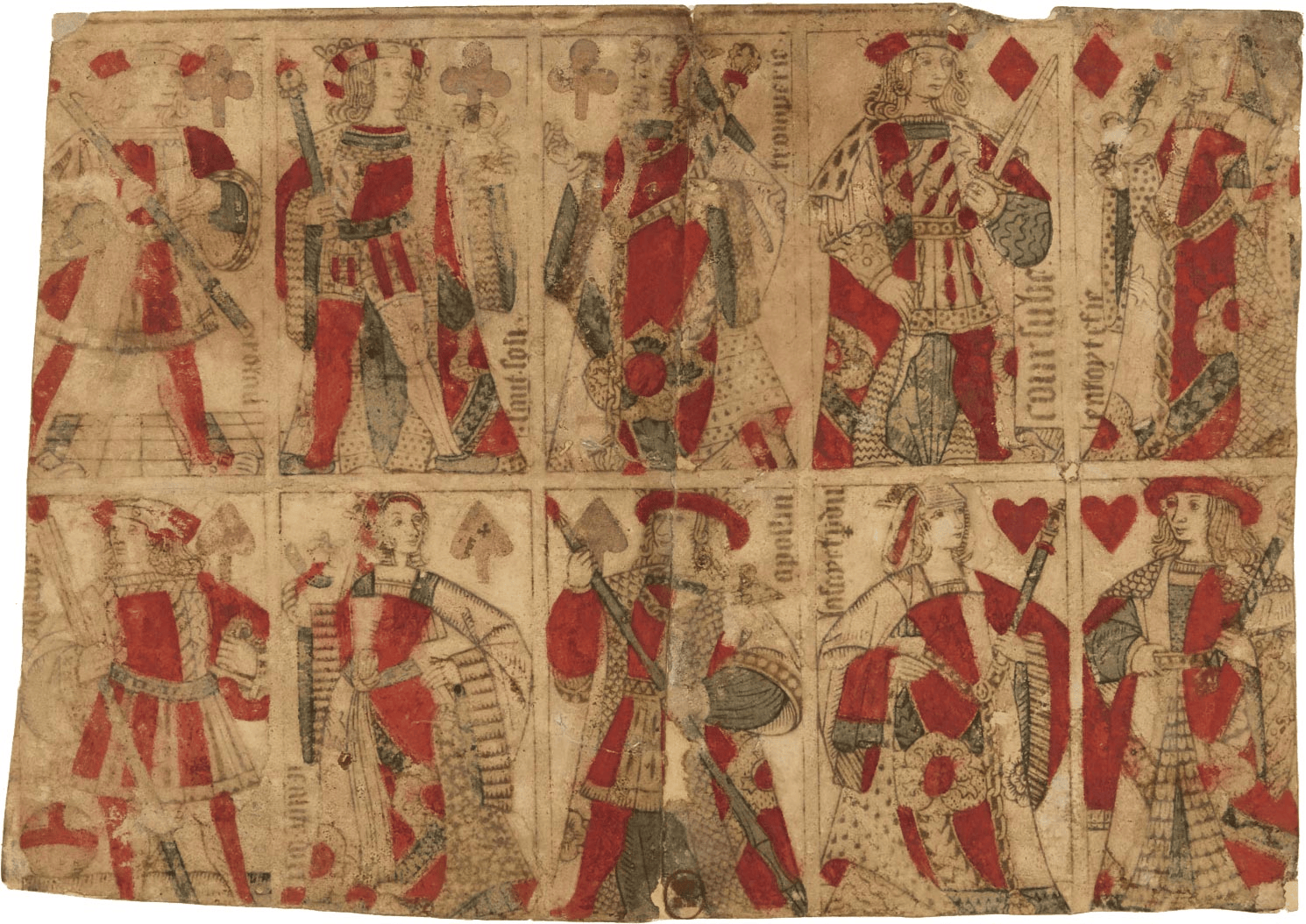
The French simplified the symbols to just red or black designs, so that they could be printed with stencils instead of woodcuts or engravings. The pip cards were cheaper to print but they made elaborate prints for the royals. Because of this the deck were still cheaper but they had beautiful royal cards and they became popular in other countries around the world including all English speaking countries. The names translated from French are Clovers, Tiles, Pike Heads, and Hearts
In England and English-speaking countries we adopted the French symbols but we changed the names to Clubs (like the Spanish symbol), Hearts (because it is obviously a heat), Diamonds (something of value like a coin), and Spades (From the Spanish word for sword, Espadas or Italian Spade. Why did we name three of the French suits with titles that describe the Spanish or Italian suits? I asked this question to Google and the answer that came up was: “The naming of playing card suits after the Spanish deck stems from the historical influence of Spanish playing cards on European card games.”